


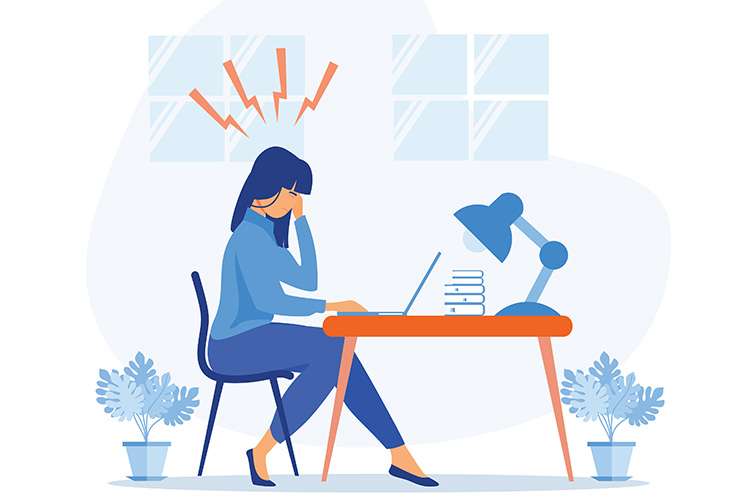
Headaches are among the most common health complaints and can affect people of all ages. While occasional headaches are often manageable with rest, hydration, or stress reduction, recurring headaches and migraines can significantly impact daily activities, work performance, and quality of life.
A headache is a symptom that can have many causes, while migraine is a neurological condition that may cause recurring episodes of head pain along with other symptoms such as nausea or sensitivity to light and sound.
Understanding the differences between headaches and migraines can help you recognize symptoms, identify triggers, and discuss concerns with your healthcare provider.
What Are the Most Common Types?
Tension Headaches
Often described as a dull ache or feeling of pressure around the head. These are the most common type of headache and are frequently associated with stress, muscle tension, poor posture, or fatigue.
Migraines
A neurological condition that can cause moderate to severe throbbing or pulsing pain, often on one side of the head. Migraines may occur with nausea, sensitivity to light or sound, and visual changes known as aura.
Cluster Headaches
Less common but often very painful headaches that tend to occur in cycles or clusters, usually around one eye or one side of the head.
Common Headache and Migraine Triggers
Keeping track of symptoms and possible triggers may help identify patterns over time. Triggers vary from person to person, but common examples include:
- Stress and emotional tension
- Poor sleep or changes in sleep schedules
- Dehydration
- Skipping meals
- Excessive caffeine or caffeine withdrawal
- Hormonal changes
- Bright lights or loud noises
- Extended screen time
- Certain foods or beverages
Common Headache Symptoms
Headaches can present in a variety of ways depending on the type and underlying cause. Common symptoms often include a dull, aching pain, a feeling of pressure or tightness around the head, and tension in the neck or shoulders. Many people experience mild to moderate discomfort that can interfere with concentration, productivity, or daily activities. However, symptoms may be manageable with rest or other self-care measures.
Common Migraine Symptoms
Migraines are often more intense and can involve symptoms beyond head pain. People experiencing a migraine may develop moderate to severe pain that is often described as throbbing or pulsing. Migraines may also be accompanied by nausea or vomiting; increased sensitivity to light, sound, or certain smells; visual disturbances known as aura; and difficulty concentrating. Symptoms can last for several hours or even days and may significantly impact daily functioning.
Questions to Ask Your Provider
If headaches or migraines are affecting your daily life, consider asking:
- What type of headache am I experiencing?
- Could my symptoms be related to migraine?
- Are there triggers that may be contributing to my symptoms?
- Should I track my headaches or keep a symptom journal?
- What treatment options may help prevent or manage headaches?
- Are my medications contributing to headaches?
- When should I seek additional evaluation or testing?
- What lifestyle changes may help reduce headache frequency?
When to Seek Medical Care
A healthcare provider can help determine the cause of symptoms and discuss appropriate treatment options. Seek prompt medical attention if a headache:
- Is sudden and extremely severe
- Occurs after a head injury
- Is accompanied by confusion, weakness, or difficulty speaking
- Includes vision changes that are unusual
- Is significantly different from previous headaches
While not all headaches can be prevented, healthy habits can help reduce the frequency and severity of symptoms. Staying hydrated, prioritizing sleep, managing stress, eating regular meals, and identifying personal triggers may all play a role in supporting headache health.
Headaches and migraines are common, but ongoing symptoms should not be ignored. Understanding your patterns and working with your healthcare provider can help you find strategies that support long-term wellbeing.
